The Architecture of Style: Bespoke vs. Ready-to-Wear
Explore the nuanced differences between ready-to-wear and bespoke tailoring. Discover how custom garments offer long-term value, comfort, and quiet confidence.

David Mitchell
Fashion Features Editor
New York fashion features editor covering tailored dressing, luxury retail shifts, and the cultural side of American style. He favors sharp reporting, clean taste, and practical fashion intelligence.

There is a distinct, almost psychological shift that occurs when you put on a garment that has been made entirely for you. It is a quiet sensation. The shoulders do not pinch, the collar rests precisely against the neck, and the fabric drapes in a way that seems to forgive every physical flaw while quietly amplifying your best traits. It is the feeling of being understood by your clothing.
For decades, the modern wardrobe has been defined by the battle between speed and craft. On one side, we have ready-to-wear (RTW)—the vibrant, immediate, and accessible world of off-the-rack fashion. On the other, bespoke and made-to-measure tailoring—a slower, more deliberate process steeped in tradition, chalk marks, and patience.
For the modern business owner, time is often the ultimate luxury. The temptation to simply buy a designer suit off a mannequin and walk out of the boutique is strong. Yet, as our understanding of sustainability, personal branding, and true wardrobe efficiency deepens, the conversation is shifting. The question is no longer just about what we wear, but how it came to be ours, and how long it will stay.
The Allure and Limitations of Ready-to-Wear
Let us be clear: ready-to-wear is not the enemy of good style. In fact, it is the lifeblood of the fashion industry. RTW allows designers to communicate a complete, immediate vision. When you buy off-the-rack, you are buying into a brand’s specific aesthetic universe for that season.
For elevated everyday style—a beautifully textured knit sweater, a crisp weekend trench coat, or a perfectly washed pair of denim—ready-to-wear is often the most logical choice. It offers the thrill of instant gratification and allows you to experiment with trends without a massive commitment of time.
However, the fundamental flaw of ready-to-wear lies in its core premise: the myth of the "standard" body. RTW garments are cut to a generalized block, a statistical average that rarely reflects the nuances of an actual human figure. If you have athletic shoulders but a narrow waist, or if one arm is fractionally longer than the other (as is true for most of us), an off-the-rack jacket will always feel like a compromise. You are forcing your body to adapt to the clothing, rather than the clothing adapting to you.
The Bespoke Proposition: Architecture for the Body
If ready-to-wear is akin to buying a beautiful, pre-furnished apartment, bespoke tailoring is commissioning an architect to build your home from the ground up.
The true value of bespoke clothing goes far beyond the ability to choose your own fabric or lining. It is fundamentally about silhouette and body-shape compatibility. A skilled tailor acts as an illusionist. They can cut a lapel to broaden a narrow chest, adjust a button stance to elongate the legs, or shape a waist to create an hourglass or V-taper that nature may not have provided.
"Tailoring is not about vanity; it is about eliminating the physical distractions of ill-fitting clothes so you can focus entirely on the room you are in."
This brings us to the concept of emotional confidence. In high-stakes environments—pitching to investors, leading a board meeting, or standing at the altar—the last thing you want to be thinking about is a pulling button or a sagging trouser hem. Tailored clothing removes friction. It provides a subtle armor that allows you to move through the world with unbothered authority.
Wardrobe Efficiency and the Long-Term View
In business, we evaluate investments based on their long-term returns. Curiously, many professionals fail to apply this same logic to their closets.
A common critique of bespoke clothing is the initial price tag. It is undeniably an investment. However, when we examine the concept of "cost per wear," the narrative changes. An off-the-rack suit, hastily bought and moderately worn, may lose its shape or relevance within two to three years. A bespoke suit, crafted from high-twist wool with a full canvas construction, is designed to last a decade or more. It can be let out, taken in, and repaired.
This is the essence of wardrobe efficiency. A compact wardrobe built on five impeccably tailored pieces will always serve you better than a sprawling closet of fifty mediocre garments. When tailoring becomes a priority, the urge to mindlessly consume fades. You begin to buy less, but infinitely better.
Realistic Use Cases: When to Tailor
Understanding when to invest in custom tailoring and when to rely on ready-to-wear is the hallmark of a well-edited life. Here is how the balance typically plays out for the modern professional:
The Boardroom and Business Dressing
In corporate environments, the rules have relaxed, but the need for authority has not. A bespoke navy or charcoal suit remains the undisputed uniform of subtle power. Even if your office leans casual, a custom-tailored unstructured blazer paired with tailored trousers bridges the gap between relaxed and commanding. Fit is the ultimate indicator of professionalism.
Weddings and Formal Events
A wedding—whether you are the groom, the bride opting for a sharp suit, or a distinguished guest—is a moment captured in time. Formalwear is notoriously unforgiving if it fits poorly. A bespoke tuxedo or morning suit ensures that when you look back at photographs twenty years from now, you see elegance rather than an era-specific tailoring mistake.
Elevated Everyday Style
Tailoring is no longer confined to the boardroom. The modern wardrobe thrives on high-low mixing. Imagine a bespoke, softly tailored tweed jacket worn over a simple RTW white t-shirt and dark denim. The precision of the jacket elevates the casual pieces beneath it, creating an effortlessly sophisticated weekend look.
The Intersection of Craft and Modern Convenience
Historically, the barrier to bespoke tailoring has been time. Multiple fittings, travel to an atelier, and months of waiting are not always feasible for a business owner managing a global schedule.
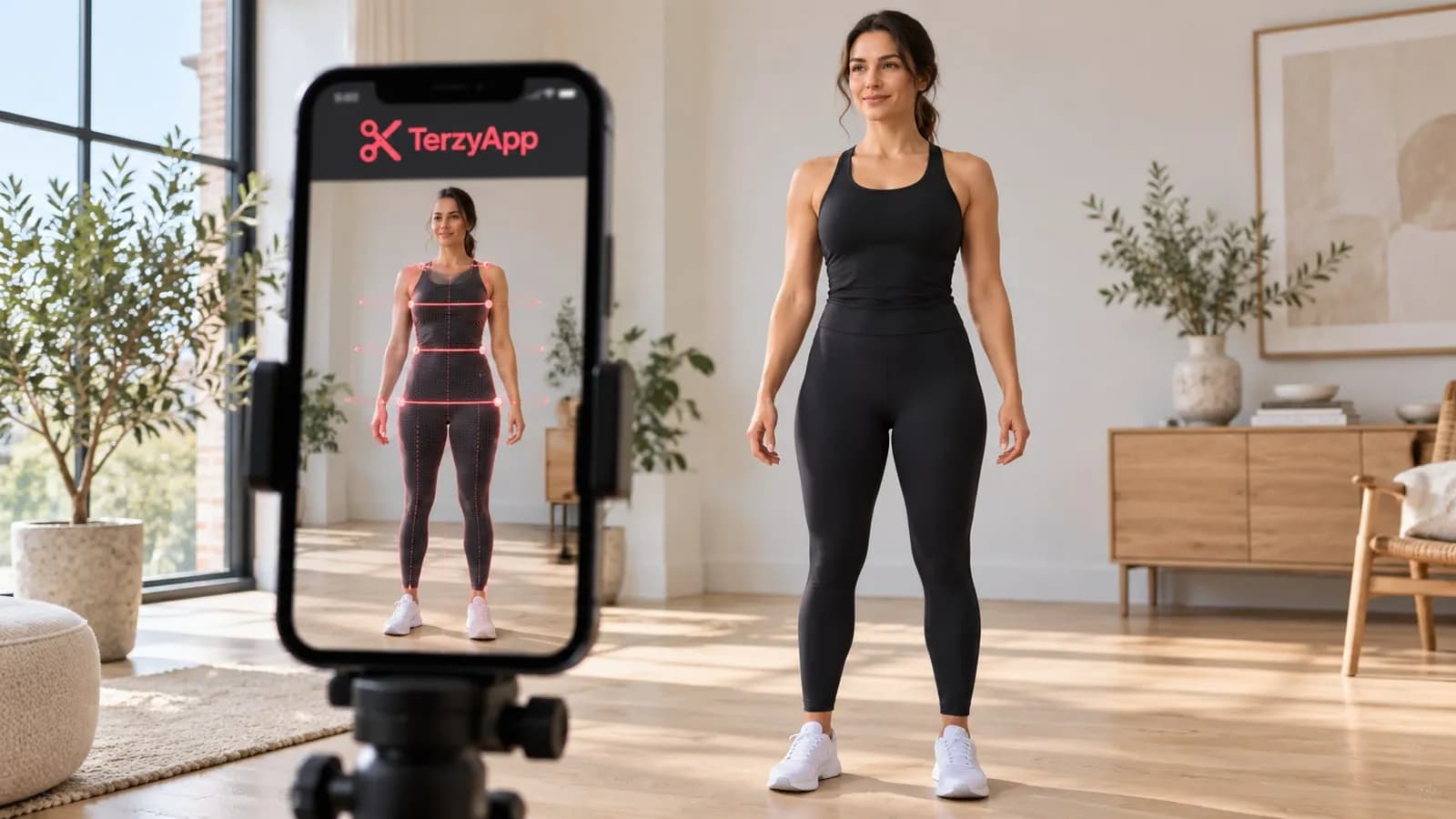
This is where the landscape is evolving beautifully. We are seeing a thoughtful integration of traditional tailoring know-how with modern convenience. For those who appreciate the precision of custom clothing but require a more streamlined process, platforms like TerzyApp have emerged as a modern solution. By bridging the gap between the client and the tailoring ecosystem, it brings the personalization and fit-focused ethos of the atelier directly into the digital age. It allows professionals to manage their wardrobe needs, track their measurements, and access tailoring expertise without the traditional friction, proving that heritage craft and modern technology can indeed coexist.
Answering the Modern Wardrobe Dilemmas
To further clarify the boundaries between off-the-rack and custom, let us address a few of the most common questions that arise when refining a professional wardrobe.
- Is bespoke always better than ready-to-wear?
Not necessarily. It depends entirely on the garment's purpose. For knitwear, t-shirts, and casual outerwear, high-quality ready-to-wear is often perfectly sufficient. For structured garments like suits, blazers, and formal trousers, bespoke will almost always offer a superior silhouette and lifespan. - How do I know when a RTW piece is worth tailoring?
If a ready-to-wear garment fits perfectly in the shoulders and chest, it is usually worth taking to a tailor to have the waist suppressed or the sleeves shortened. However, if the shoulders are too wide or the armholes too low, the structural surgery required is rarely worth the cost. At that point, custom is the better route. - Does custom clothing really save money in the long run?
In many cases, yes. By focusing on a few custom pieces, you eliminate the cycle of buying replacement garments every season. A well-made tailored jacket transcends seasonal trends, effectively lowering your overall sartorial expenditure over a five-to-ten-year period.
The Final Cut
Ultimately, the choice between ready-to-wear and bespoke is not a strict binary, but a spectrum of intentionality. Ready-to-wear offers us the joy of the moment, the quick refresh, the seasonal splash of color. Bespoke offers us permanence, an intimate understanding of our own physical form, and a quiet rejection of fast-fashion disposability.
Building a wardrobe is much like building a business: it requires a solid foundation, an eye for long-term value, and the wisdom to know when to bring in the experts.
We would love to hear how you navigate this balance in your own life. Do you lean heavily on a trusted tailor for your professional attire, or have you found ready-to-wear brands that miraculously fit your frame? What is the one tailored piece in your closet that you simply could not live without? Take a moment to reflect on your own wardrobe—sometimes, the best style decisions begin simply by looking at what we already reach for the most.
Comments
Loading comments…